

38 quick takes
Exclusive insight into my mind, my content diet and more.

Welcome to Field Notes #1
I am wondering about:
How many hours of peak human spirit have been lost to frustrating calls with customer service + on hold. I’ve start using AI to help make customer service issues easy - i.e. drafting chargebacks, customer service complaints with AI, dumping all the documentation, screenshots and otherwise into a chat and getting the polished email / output
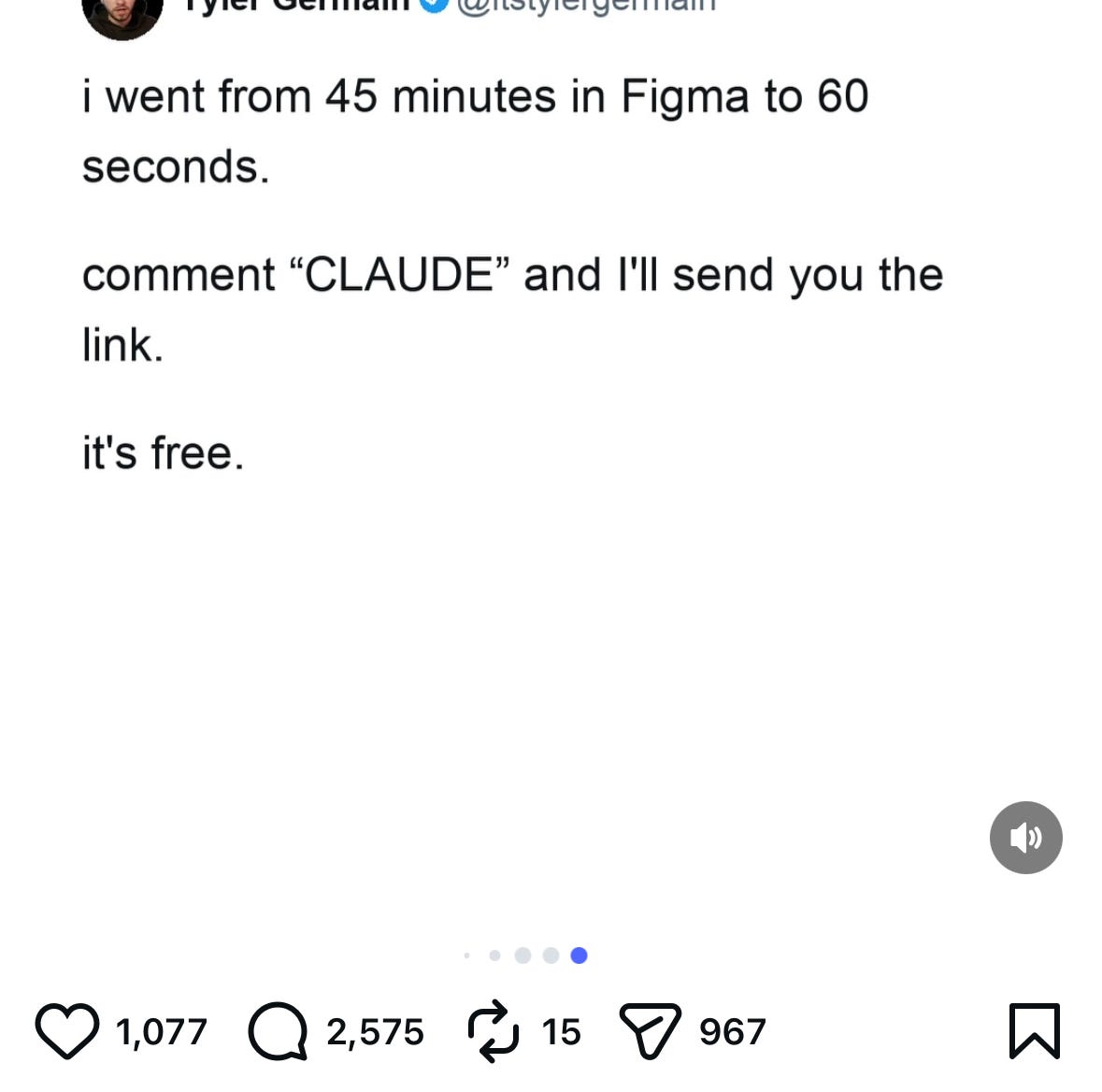
Not everything that counts is counted, not everything that is counted counts. People on Instagram, LinkedIn and Tiktok are engagement farming (e.g. using the algorithm design to engineer virality). Platforms promote the posts that have higher comments and shares, so creators are effectively bribing you to comment. I don’t think this is conducive to the best, most authentic art being pushed via algorithms.
You buy Apple products for the small features that ‘just work’: Handoff, Airdrop, automatically filling 2FA codes from SMS; Hold Call Assist. HOLD CALL ASSIST IS INCREDIBLE. It simulates a personal assistant muting the annoying hold music and giving you a ring when someone actually answers.

The iPhone 17 ($1400 AUD) is WORSE than an iPhone 15 Pro ($700 AUD) (3x zoom, 48MP camera, 120hz screen, action button…)
Transitioning from physical labor for work to screen-based work is a historical privilege that spares bodily wear, and yet it produces modern absurdities (e.g., buying treadmills to walk while typing; standing up desks).
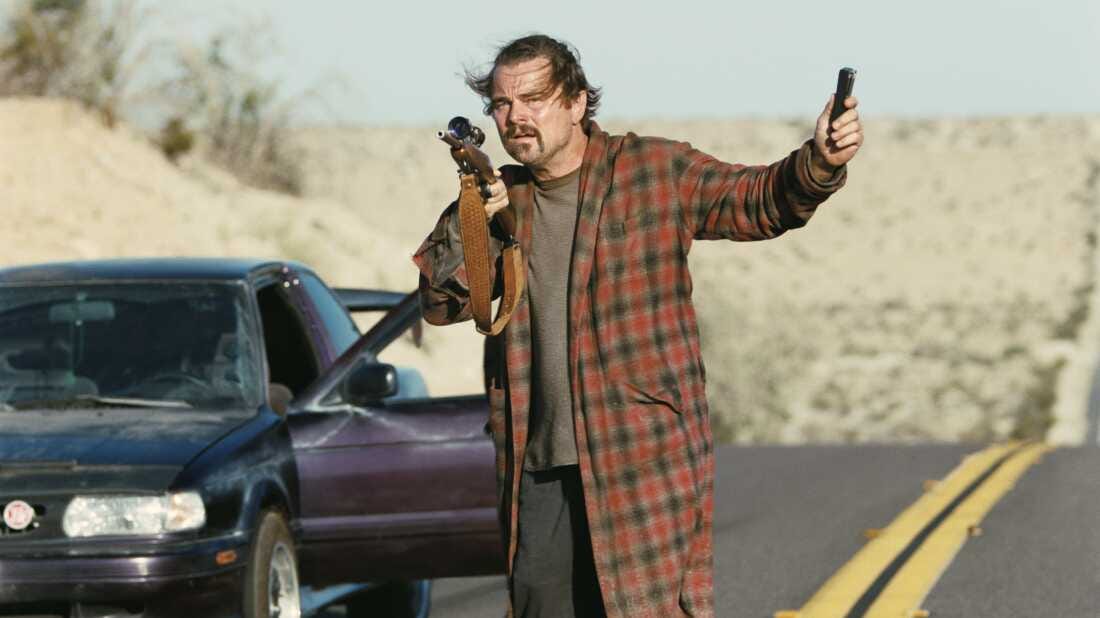
One Battle After Another → “The revolution will not be televised.”
No one told us that we would spend a majority of our waking lives staring at a screen, programmed by narratives distributed via systems we don’t understand.
How much internet data do you consume per day (including wifi)?
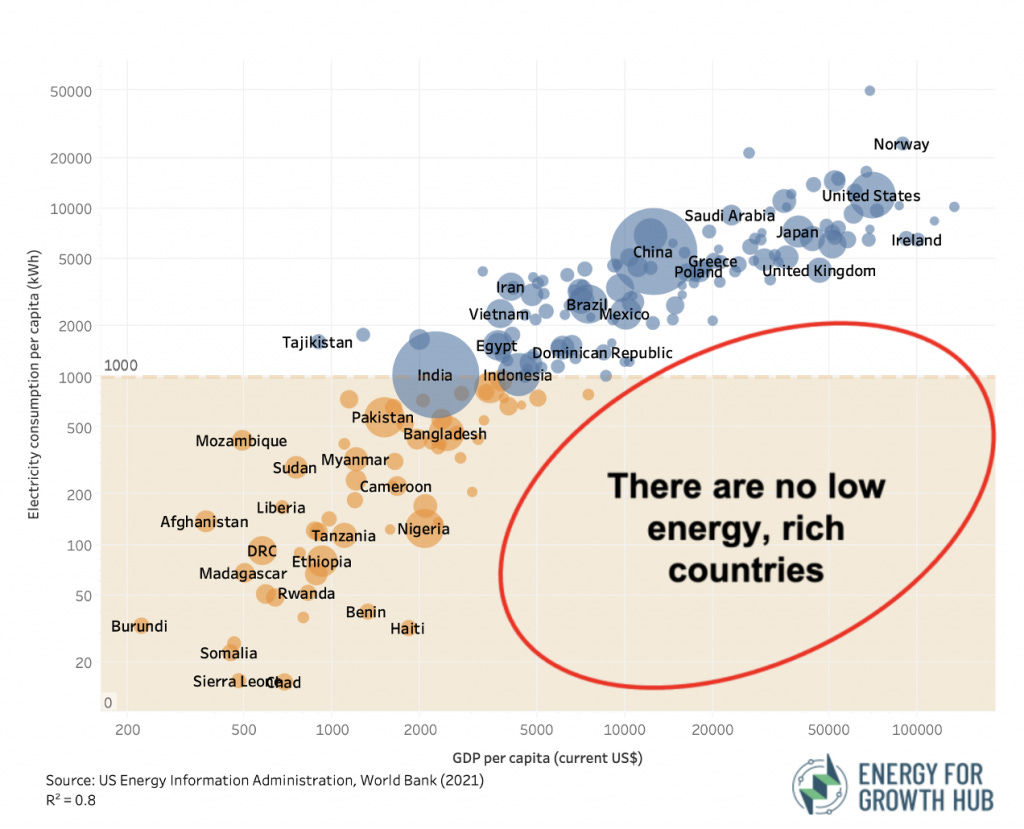
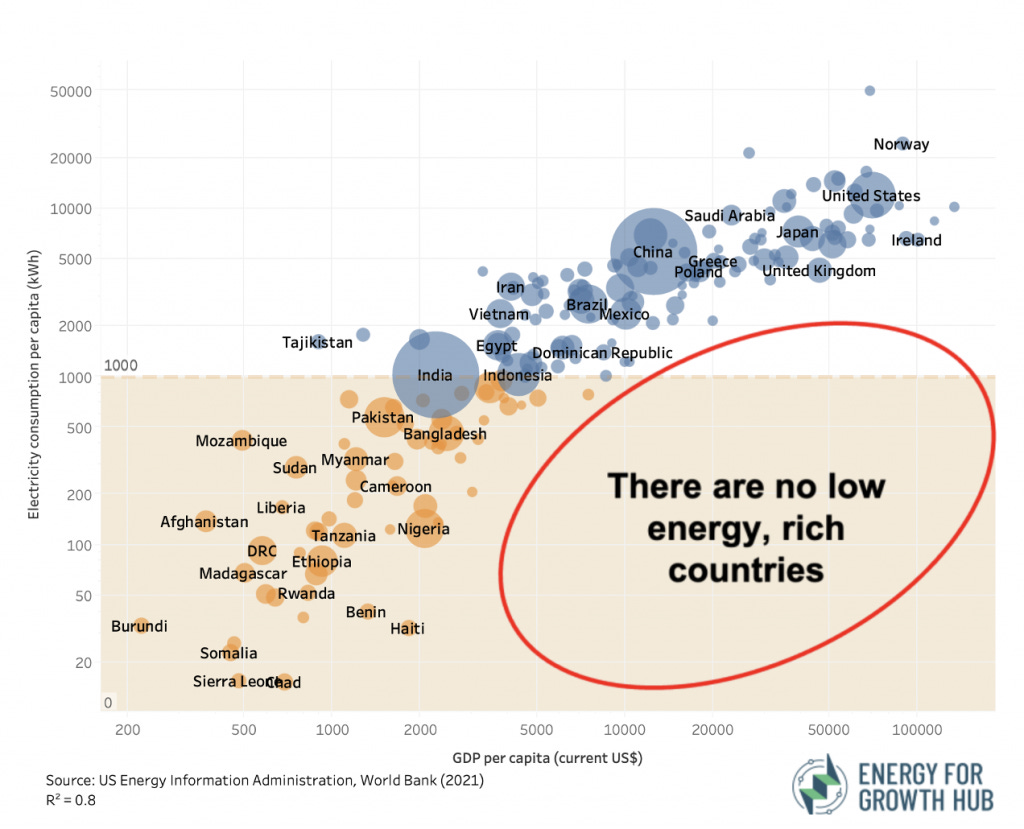
I remember 15 years ago, we had 10GB/mth of Wifi for our entire family. Today, I think I use around 10GB per day. Much like the documented relationship between energy consumption and GDP (per capita), I wonder if this also holds true for internet (probably, proxy for energy), and AI token usage (too early to tell, I suspect).
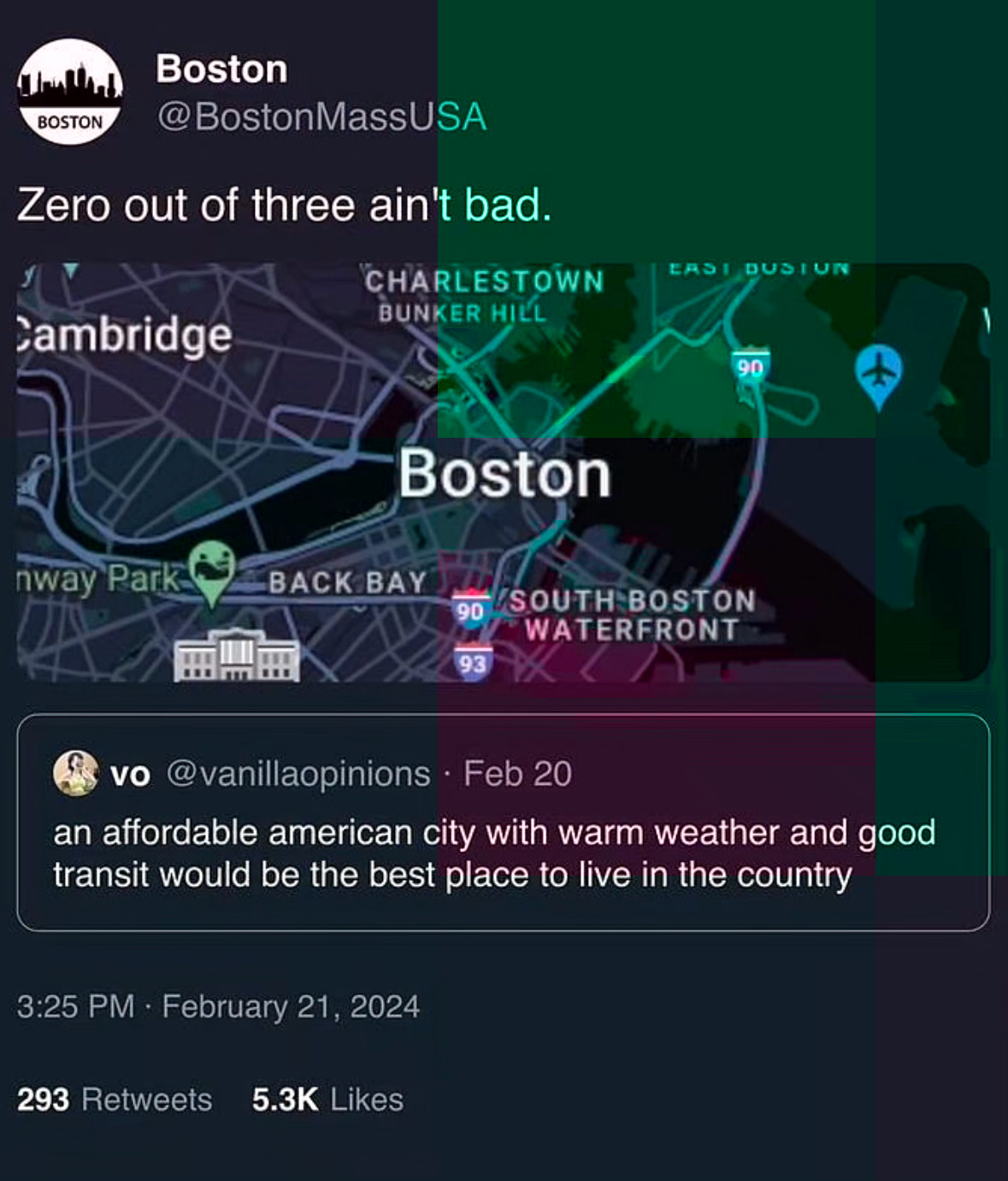
You don’t need public transport, until you do.
People saying to Alex Honnold (the guy that free-soloed El Capitan), “What you do is so risky”. He challenged that by saying “the life that many people live (i.e. sedentary lifestyles) is even riskier (i.e. with heart disease & chronic conditions)”.
Crocs are the ultimate, universal footwear. Daily walking, yes. Beach, yes. Airport, yes. First date in snowy weather , yes. Running, yes in sports mode (but probably shouldn’t).

You need a lot less than you think you need. I recall travelling for a 2 week in Europe and Asia with just 1 regular backpack (Patagonia Refugio)

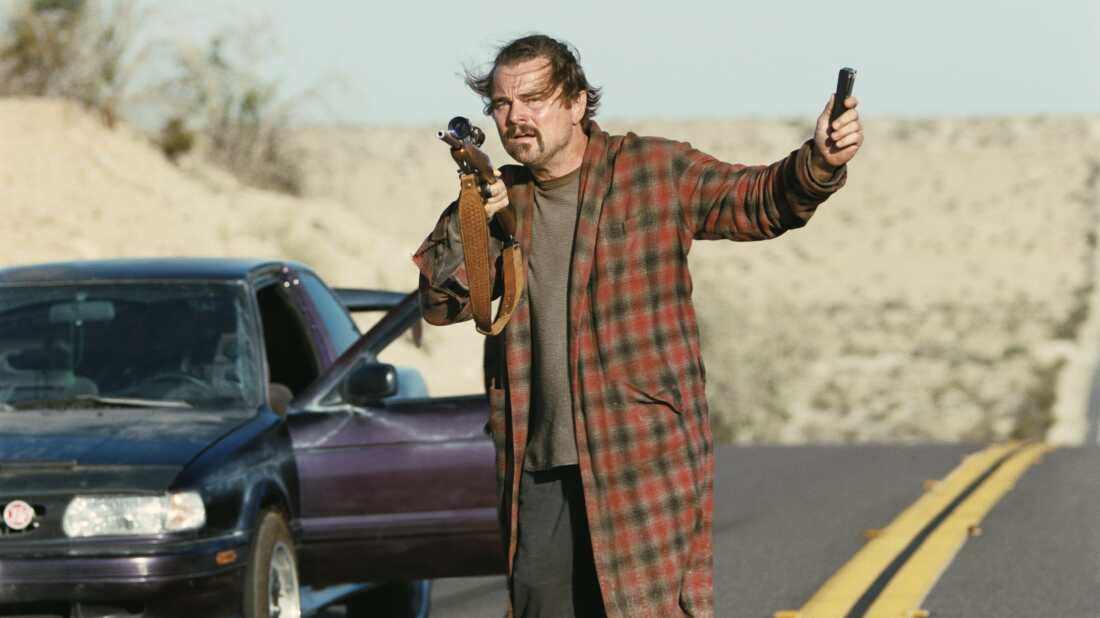
Shutter Island: Is Andrew (Leo’s character) a patient or law enforcement?

AI makes things better and then breaks them
There is a cycle of cat and mouse. For job hiring, AI application processing systems make HR work easier. Then, AI resume builders are used by applicants. Both mutually rig and game the system, so now the best method is probably just direct human outreach via LinkedIn. Similar analogy with education (AI essay writing, AI detection software).Existing AI systems cannot have taste because definitionally, taste assumes an ex-ante understanding of the directionally correct decision (i.e. knowing you should wear a red dress tonight, before the event); HOWEVER, you could proxy for and derive similar taste in AI or ML systems via A / B testing on similar samples (if they exist).
OpenAI, Anthropic, Google & xAI are subsidising AI to extravagant proportions (but likely expensing it in their P&L as a data acquisition cost). This proprietary data is incredibly valuable, as I’ve written about before.
I agree with John that Europe doesn’t need to replicate or replace the US as a superpower - It just needs sufficient political cohesion and integrated military capability to deny aggression on its own continent, i.e. a greater Switzerland.
Contrastive negation is a dead giveaway that writing is AI-generated… e.g. “This isn’t a social quirk. It is a structural problem” (”it’s not X, it’s Y”). Only ChatGPT 5.2 writes like this.
Getting paid to do something can sometimes make it less enjoyable, but not getting paid is terrible too (as is glamorising the starving artist).
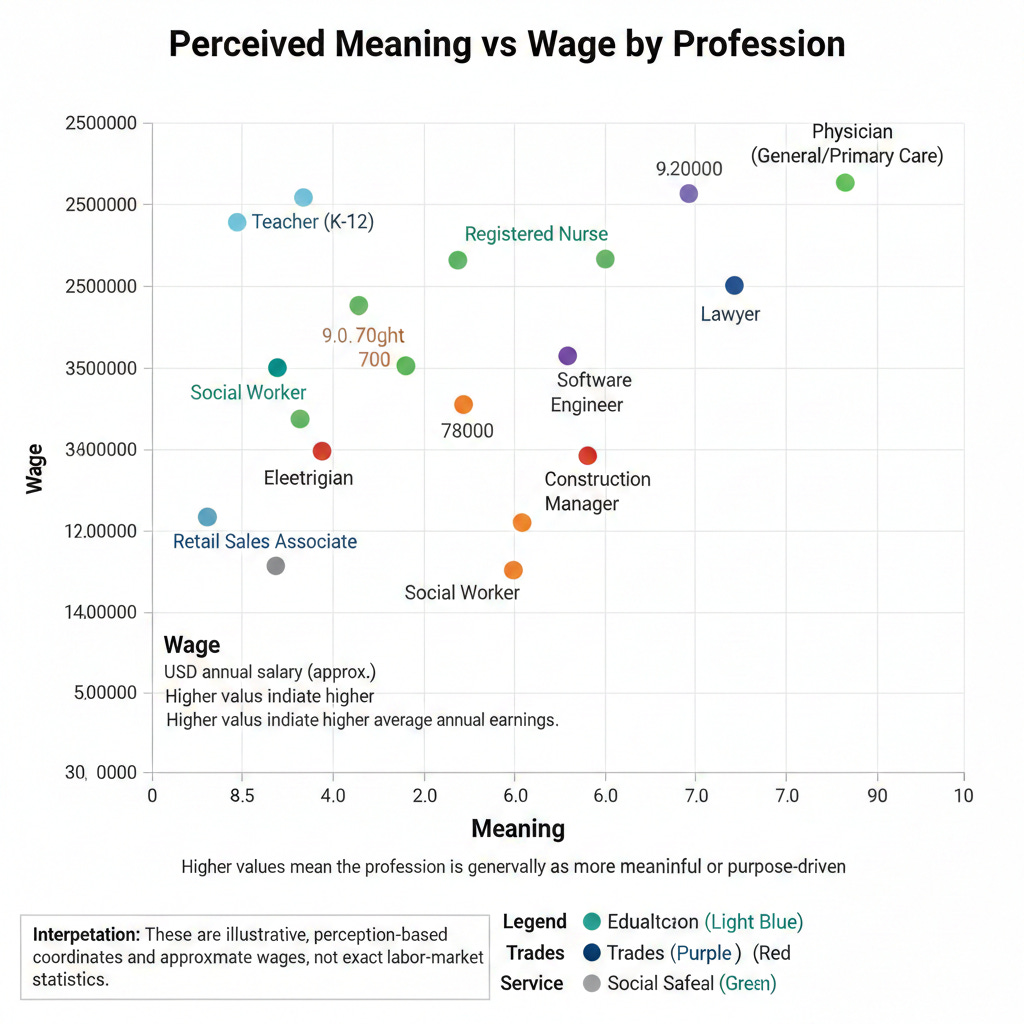
I’d love to see a scatter plot mapping “amount of responsibility/meaning” against “pay” to see what the distribution actually looks like.
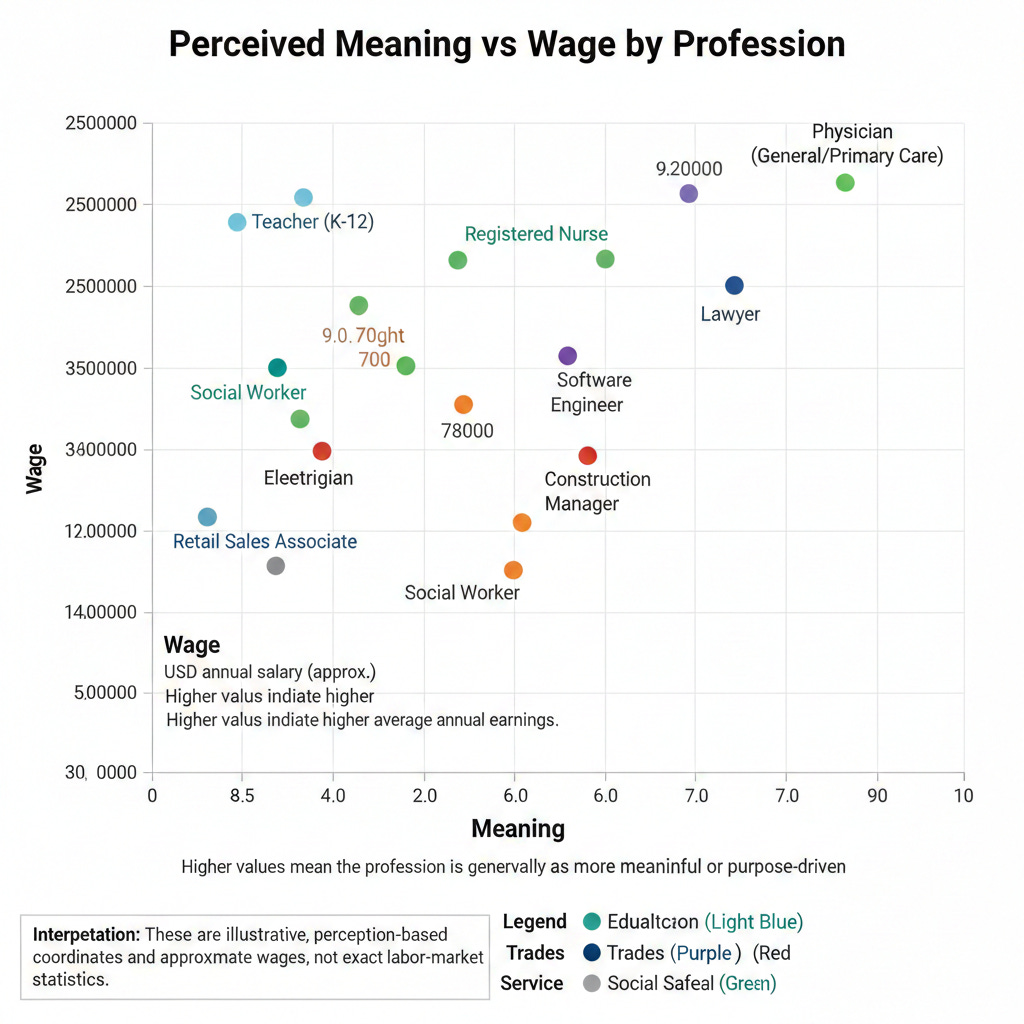
Maybe diagram makers are also safe from AI job-apocalypse. Google AI really cooked this one… I’ve included it for fun. Sam argues the need for “selective presence over constant visibility.” I partially disagree, there is absolute merit in being in everyone’s faces constantly. Sending 3 follow-up emails to a lead makes you 3x more likely to get a response.
Majority of people really just want cheap and good housing, food and weather, and probably want to be doing something creative and fun.
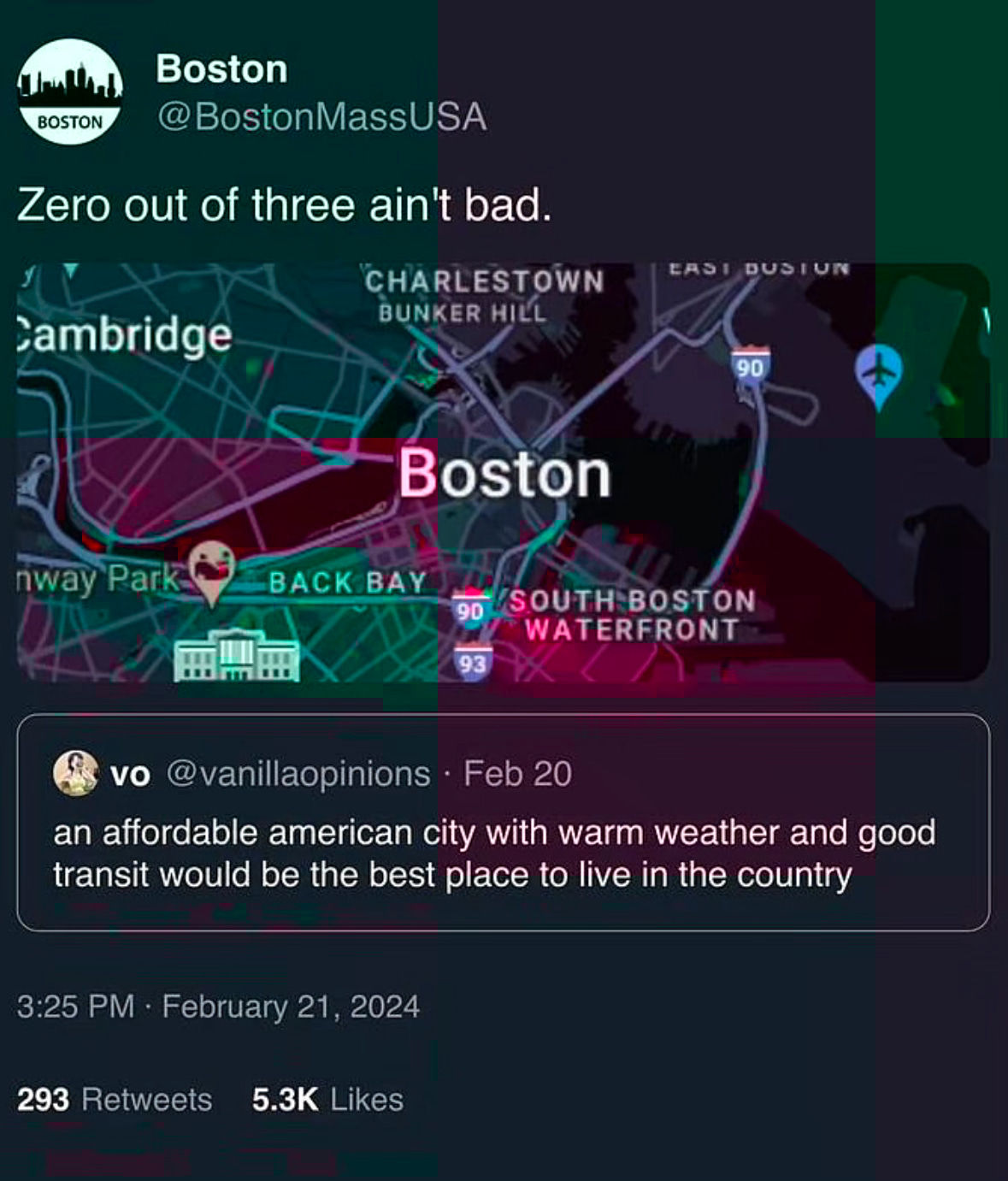
Sam also talked about this reversion to short-term thinking.
It reminds me of Roman Roy in Succession when talking about the future of media: “Feed me the fucking tasty morsels. Keep me interested. That’s where we’re headed.” Probably inspired this field note.“What is the part [of your job] that cannot be purchased by an API call?”
is a poignant question, in a world where knowledge work is being automated away. I thought content creation and video editing was something immune to this, but we are 1-2 years away from indistinguishable AI video (e.g., the Ghislaine Maxwell deepfake debate).
AI has transgressed my expectations in almost all domains, including on-screen content & editing (try out CapCut - it’s not perfect but really good).
I struggle to see a world where new jobs don’t heavily focus on entertainment, as that seems to be the final frontier of human expression. Entertainment (especially live sport), leisure, experiences remain one of the few durable pursuits of value creation in an economy when all our material necessities for subsistence are met & robots are working for us (presumably faster than humans can).
John says “nevertheless, for the first time in history, our productive capacity is such that no one need be poor” - i.e. everyone could have a food, shelter and water. I wonder if preserving a hierarchy (of status & access to goods) between countries and people will be a form of entertainment for the wealthy / powerful.
The unique feeling of distant community when you are watching a Saturday night movie live on television, likely because you know 1000s of other families are also watching it simultaneously.

We’ll soon see Hollywood studio-grade films made for less than $10,000 in compute using AI - democratised access to storytelling. Character consistency has become so good.
Most things will be achieved with creative, differentiated prompting (if that isn’t abstracted away), and multi-tool orchestration (allocating resources like a traditional film crew; using different AI models, workflows etc).
Witnessing the birthing of the “modern artist”, i.e. people directing ambition (traditionally channeled to McKinsey or GS IBD) toward more niche creative endeavours (although the “22-year-old quitting investment banking to vlog” pipeline is already getting incredibly saturated on Instagram and TikTok).
Which employees will not be made redundant in an AI-native world? Great take from this piece by Alex Brogan: “The brilliant junior analyst who is also privately obsessed with the industry she is covering, do that AI cannot. She picks up the phone, calls the supply chain in Taiwan, not because the model told her to, but because something felt wrong and her obsession with the domain gave her the vocabulary to sense it.”
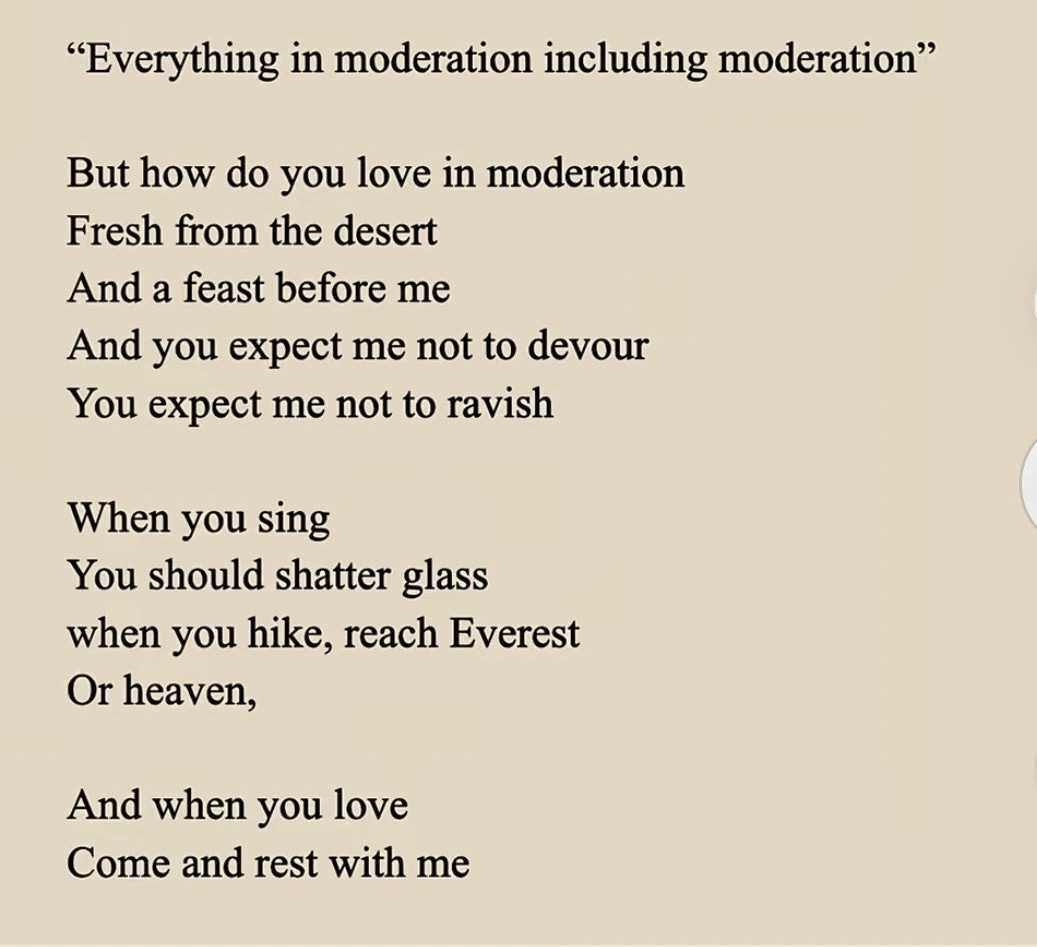
“Embarrassment in most things is the cost of entry.” Beautiful quote. I also love the idea of abandoning the notion that a perfect health routine (bed by 9, gym at 6) is inherently better than being a little buzzed and laughing until you cry.
There is a hidden cost to strict health routines: you miss out on that golden period between 9 PM and 2 AM where fun things happen, the environment & atmosphere changes, and art is made. Although, Bryan Johnson remedies this by ensuring his social life revolves around people who share the same day structure and habits as him.
In a world where you can A/B test everything, judgment and taste can be derived & optimised using a model. However, if you are making durable art (art used loosely to encompass any endeavour) for consumers 2 centuries into the future, where there is no immediate feedback loop or reward function to train on, taste remains incredibly valuable but seemingly unverifiable.
AI models currently struggle with serendipitous, cross-domain thinking due to context window limitations.
Separate your identity from your job. The lawyer who identifies only as a lawyer will have face trauma, suffering and a rude shock when AI dislocates them from the labour force - because this is a fundamental change in their identity.
I get 2 daily briefings via a personalized newsletter + selectively curating my information diet on TikTok/IG.
A Critique on “Long Time Horizons”: Everyone is pushing the idea of thinking in decades or “writing your obituary.” I actually think this can be antithetical to the artist’s way of creating. Sometimes you don’t know how something will turn out, and that’s the point. Setting an overly prescriptive “jail” for your identity might shield you from negative influences, but it also limits your exposure to positive, serendipitous ones - see a great piece here:
Generalisation warning. Americans are nostalgic for college because it was the last time they had REAL community and an environment that naturally enabled it (walkable streets, higher density living, friendships free from obligations - cf. work friends).

Companies WILL vibe code / build their own apps when the SaaS tools today are more expensive and less integrated than what they could do in house. Low and middle tier SaaS products are safe. High-ticket, custom, bespoke products are on the chopping board.
This.
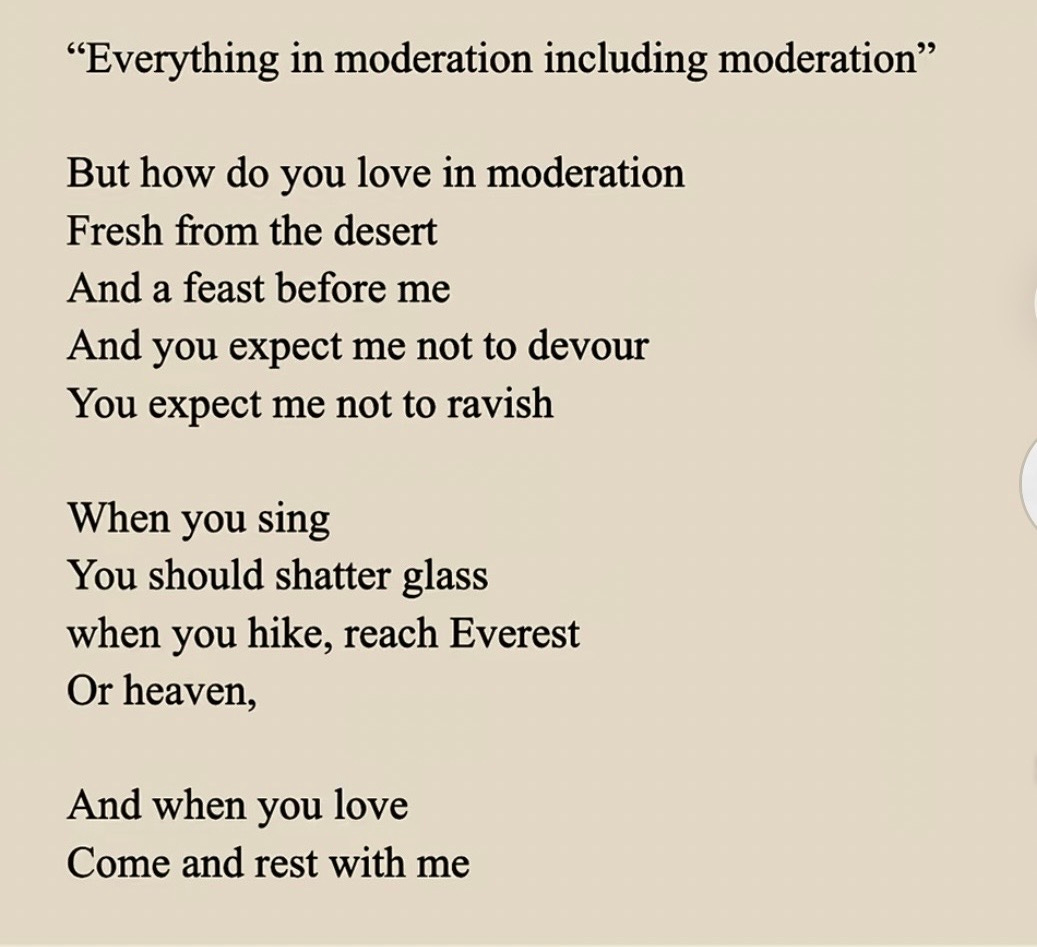
In love with the National Design Studio for the US Government. Government websites look gorgeous. Australia needs this.

Elon Musk mentioned renting compute from the MASSIVE fleet of Tesla cars (literally millions of AI chips) when they are not being used to solve for the compute constraint for xAI & Grok.

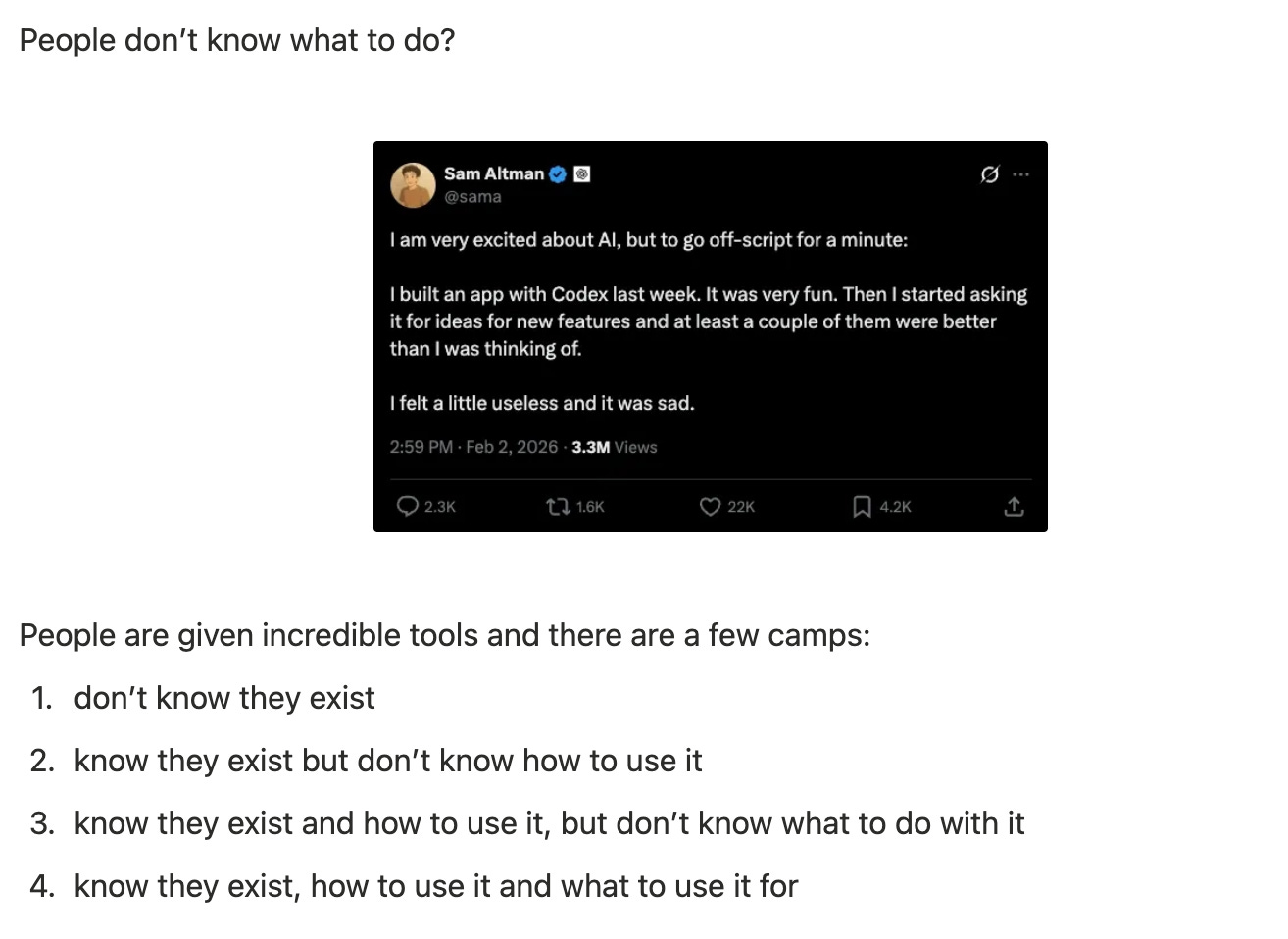
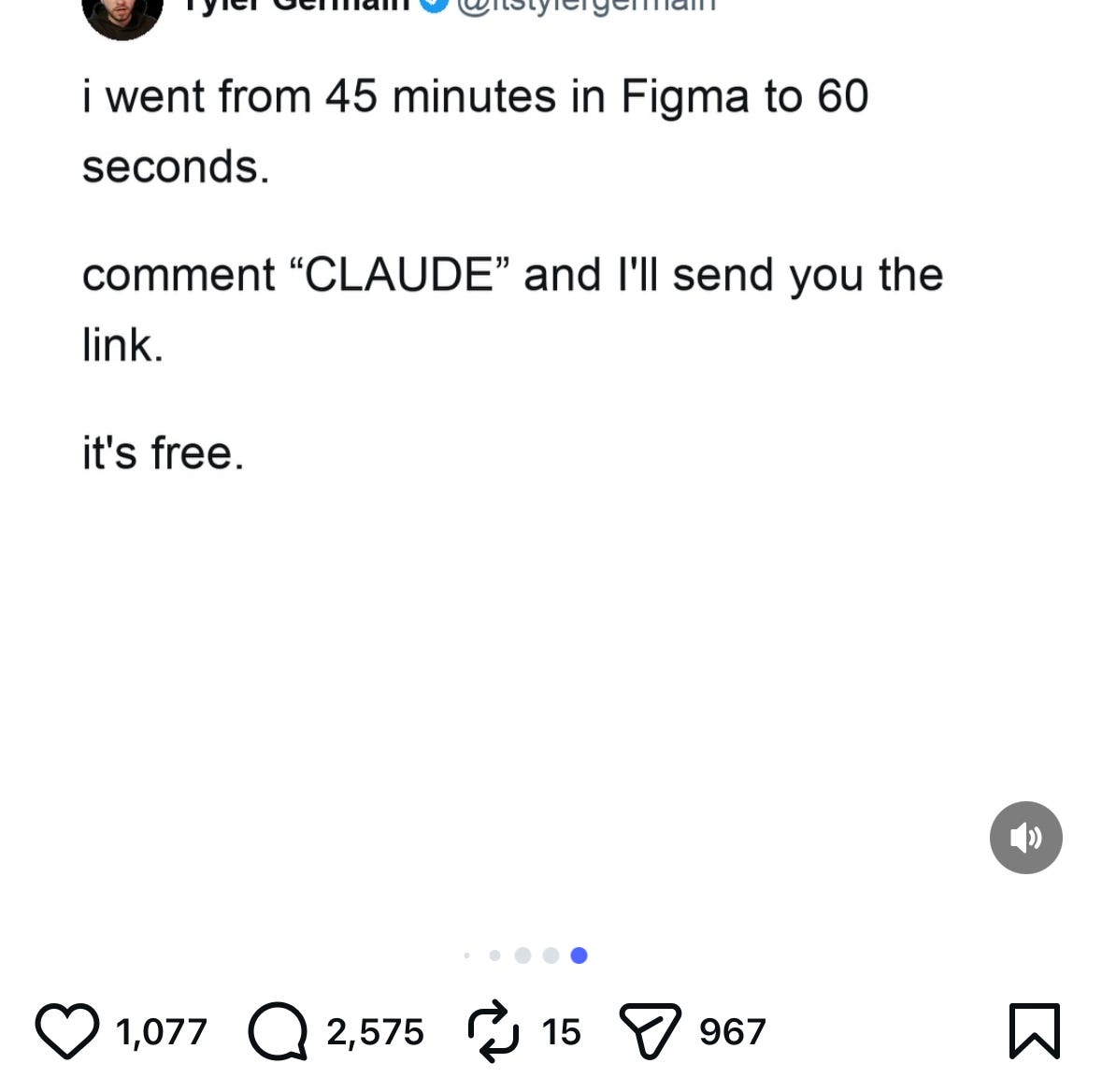
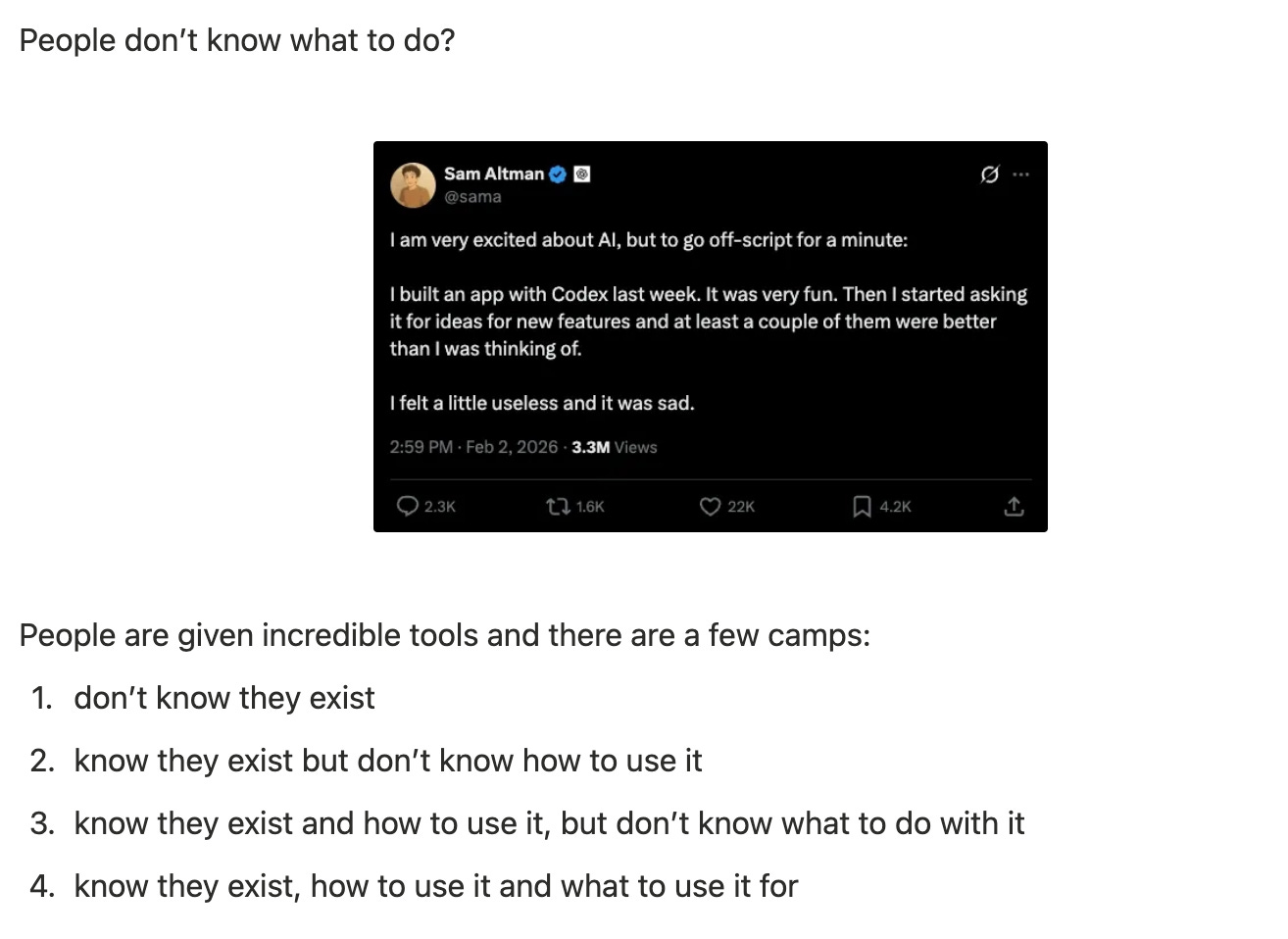
Most people don’t know what to do with AI, how to use it effectively; which tasks to offload. It’s like being give $100 billion and then not knowing how to spend it.










Hope you enjoyed these field notes, Amey.
Great point on engagement farming, but I think the counterfactual is worth considering. The alternative was record labels and publishers deciding what's worthy. Algorithms responding to actual human behaviour at scale might be a better filter than we give them credit for. Call it the tax you pay for democratised distribution.
I hate thinking about that one - Hollywood-grade films being made for, relatively, free. It's disappointing to think that AI "creative" outputs will be indiscernible from human creative outputs.
In any case, amazing field notes 📝